Military VR training
Teaching the iCOVER protocol through immersive, high-stress simulation
The military wanted a more effective way to train soldiers in the iCOVER protocol, a procedure used to help a fellow soldier recover from an acute stress reaction and safely continue the mission. Traditional classroom instruction cannot recreate the stress and urgency of a real combat situation, making it difficult to prepare soldiers for applying the protocol in the field.
The Challenge
How do you prepare soldiers to perform a protocol effectively under extreme pressure without exposing them to real danger?
The training needed to recreate the emotional and environmental stress of a combat situation while remaining safe, repeatable, and adaptable for different learning objectives.
The Solution
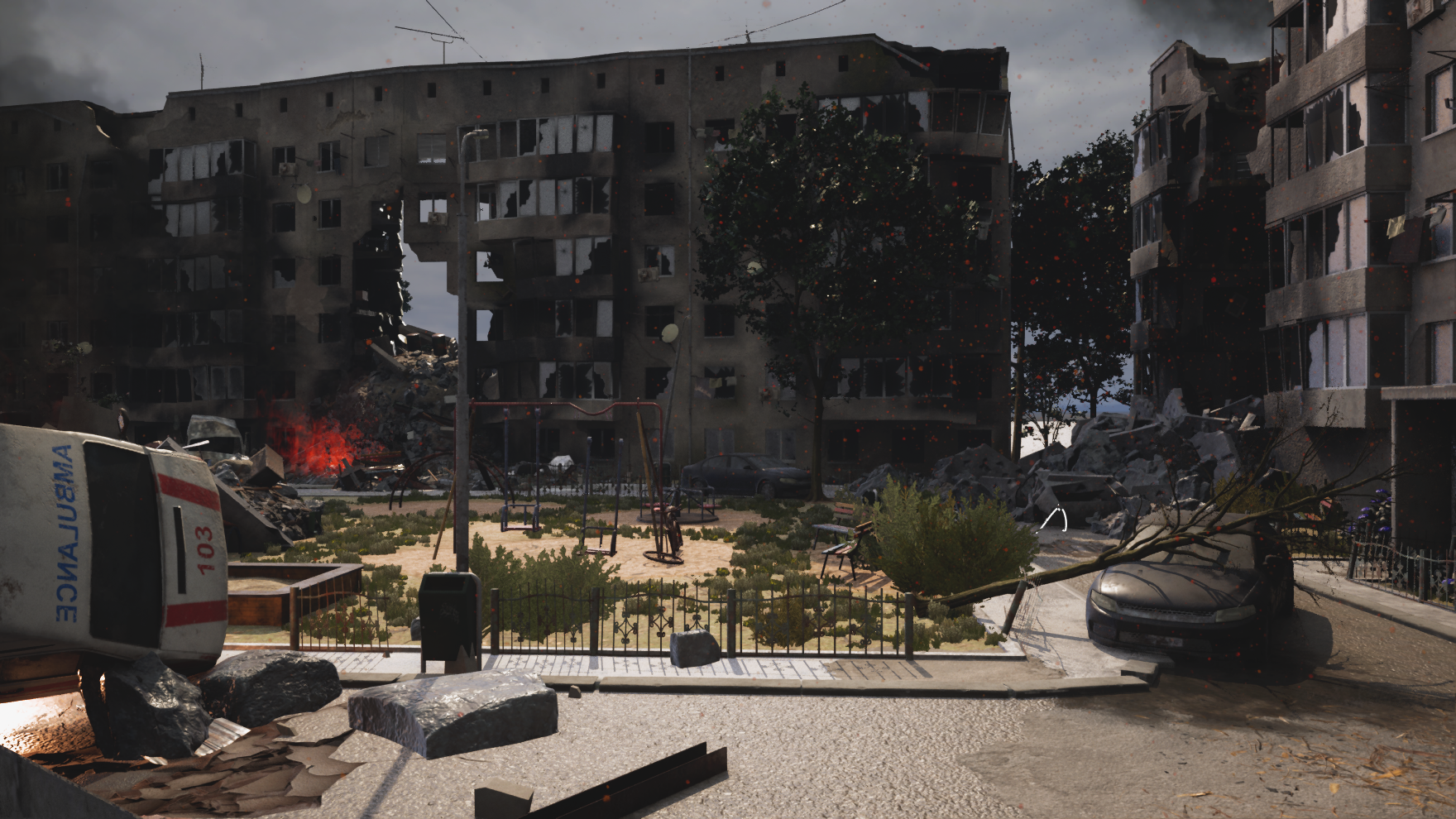
We designed a VR training experience that places soldiers in an active combat scenario where a drone attack triggers a stressful situation. The trainee must recognize an acute stress reaction in a fellow soldier and correctly perform the iCOVER protocol.
By placing trainees in a dynamic combat scenario, the training allows them to practice decision-making, and the iCOVER protocol in a safe, repeatable environment.
My role
XR Design Lead • Project Lead
Throughout the project, I combined leadership responsibilities with hands-on XR design and development.
XR Design
Designed interactions that support learning and applying the iCOVER protocol.
Contributed to the motion capture pipeline to create believable character behavior and animations.
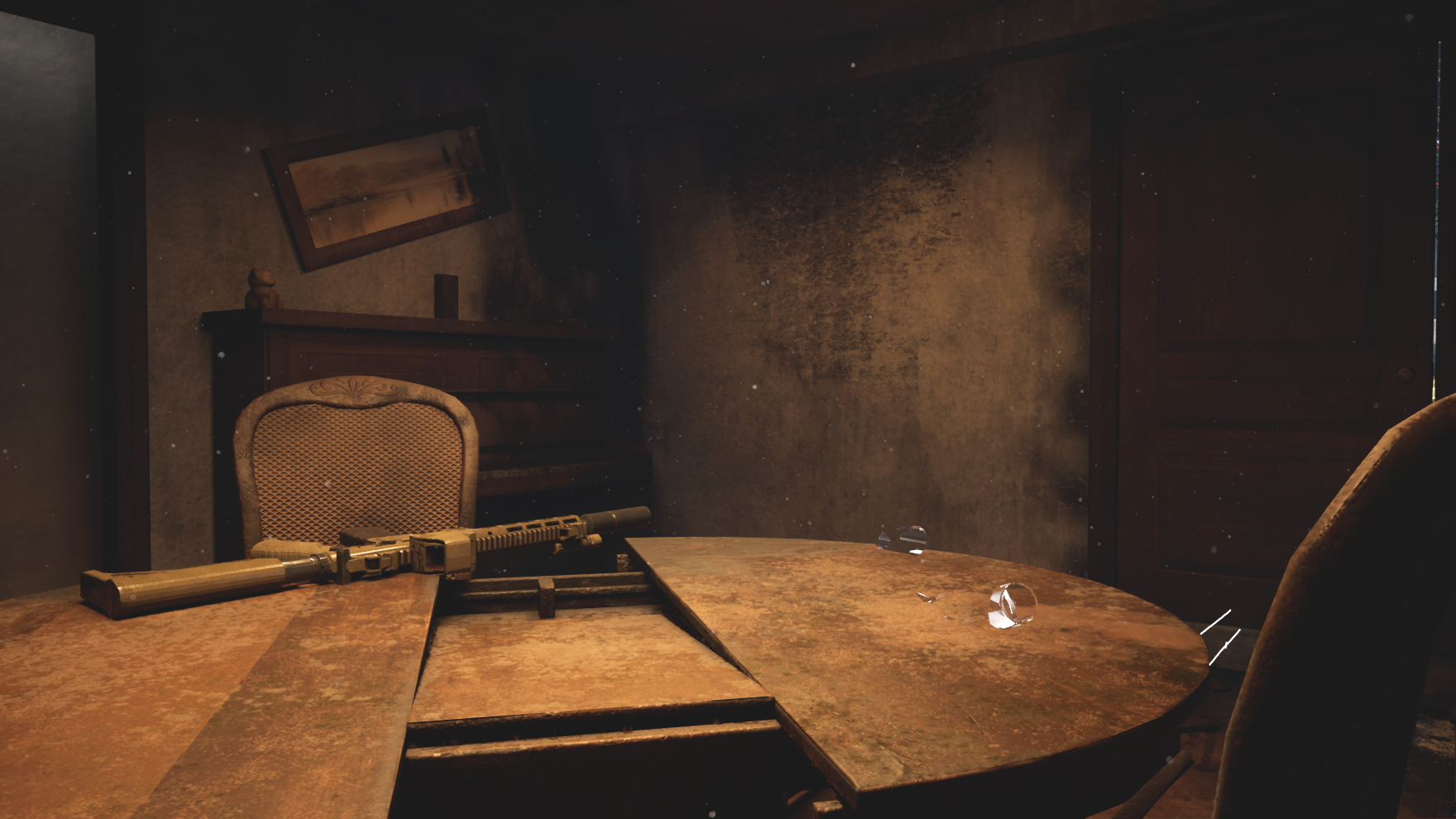
Helped create an immersive combat environment that reinforced the learning objectives
Client Collaboration
Maintained close communication with the client throughout the project.
Organized feedback sessions to align the training experience with project requirements.
Project Lead
Led the multidisciplinary development team and mentored interns.
Coordinated project planning and development milestones.
Ensured the project remained aligned with both client expectations and educational objectives.
User testing & iteration
Conducted multiple user testing sessions with end users.
Iteratively refined the experience based on feedback to improve usability, immersion, and training effectiveness.
Design Process
Understanding the Training
Working closely with military experts, we analyzed the iCOVER protocol to understand not only the required actions but also the stressful context in which they are performed.
Designing for Stress
The focus wasn't simply to recreate a battlefield.
Every design decision, from the drone attack to environmental audio and visual effects, was intended to create a level of stress that supports learning while remaining manageable for trainees.
Iteration Through Testing
Multiple rounds of user testing allowed us to validate interactions, pacing, and scenario design. Feedback from both instructors and trainees helped refine the experience and ensure it met the intended learning outcomes.
Outcome
The result is an immersive VR training experience that allows soldiers to practice the iCOVER protocol in a realistic, repeatable environment. By combining immersive simulation with iterative design and close collaboration with military experts, the project demonstrates how XR can effectively prepare users for high-pressure real-world situations.
